

Join the solid mechanics group
Build simulation methods for mechanics of real materials.
We are looking for students who want to do rigorous mechanics, develop efficient code, and publish cutting-edge work that changes how complex materials are simulated.
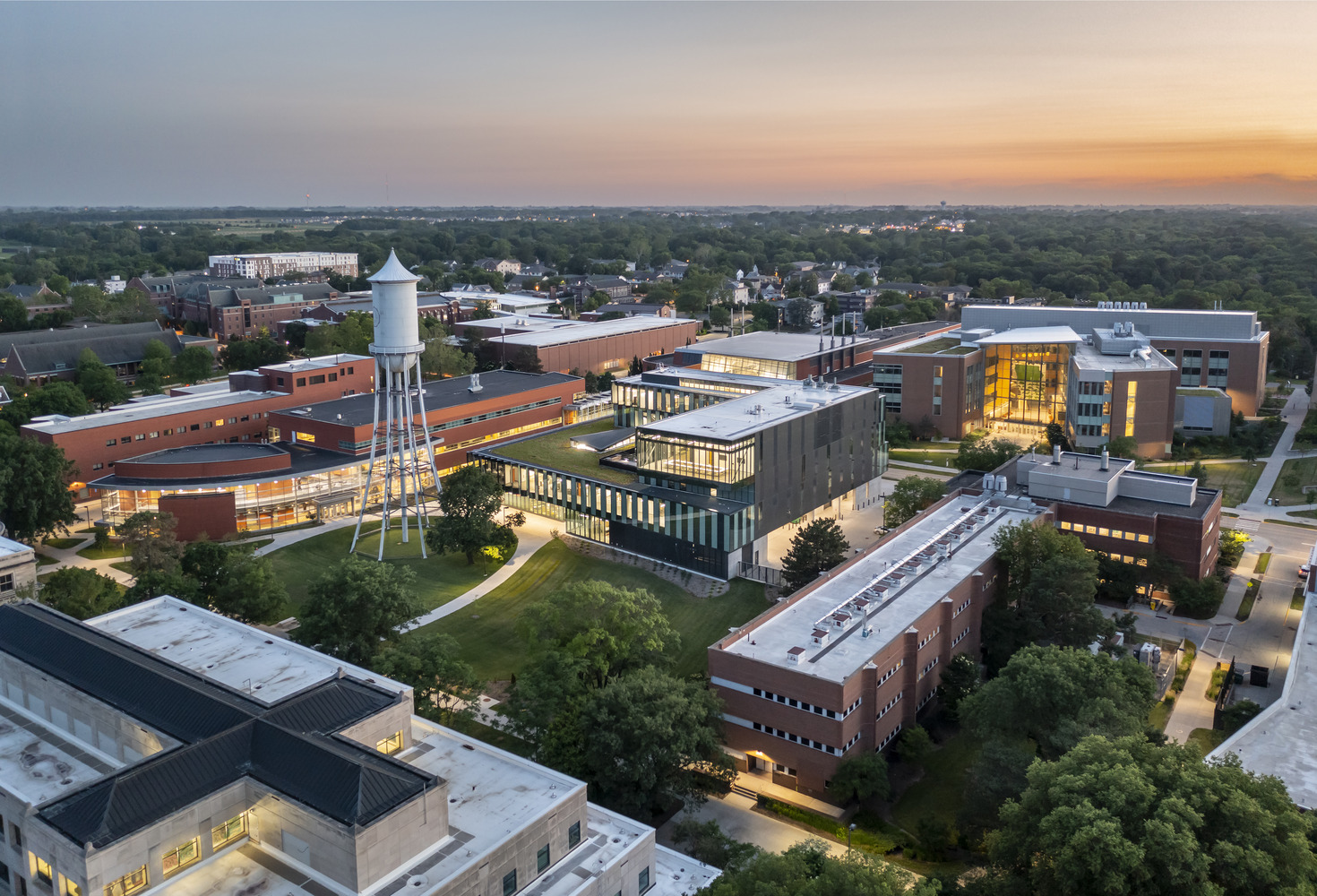
What we do
Mechanics, materials, mathematics, and high-performance computing.
Our group is housed in Aerospace Engineering, but the work is deliberately interdisciplinary. Students come from mechanics, materials science, physics, applied mathematics, computer science, and related engineering fields. The common thread is a desire to understand material behavior deeply enough to model it from first principles and compute it at scale.
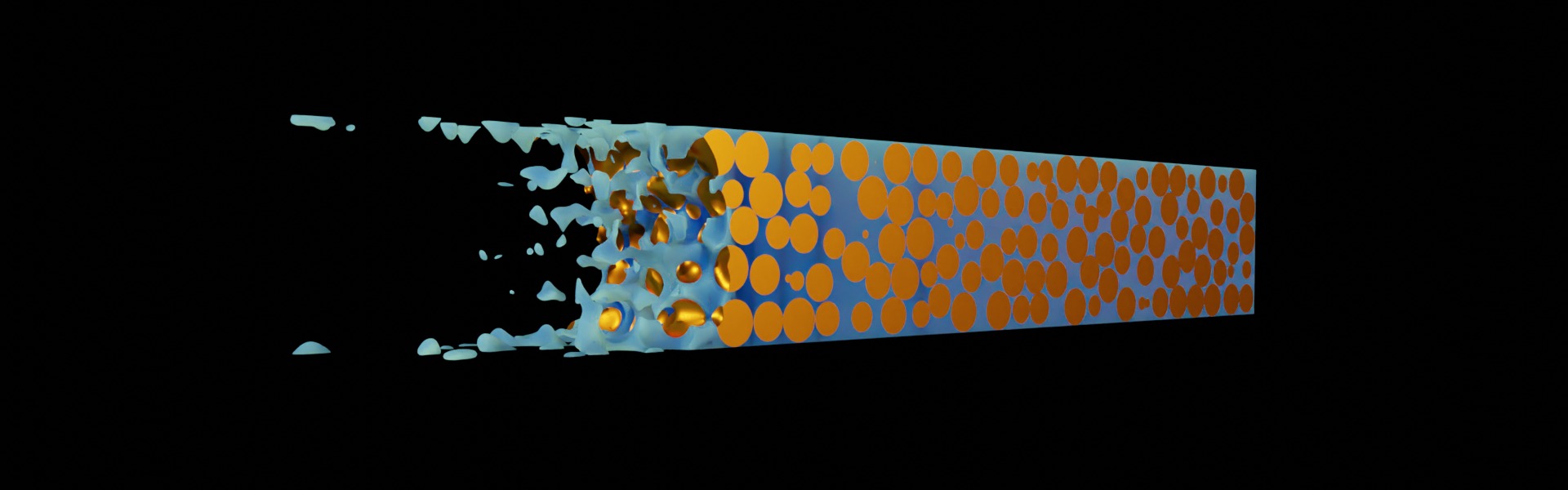
Energetic materials
Modeling solid rocket motors, propellant microstructures, regression, damage, and coupled thermo-mechanical response under extreme conditions.
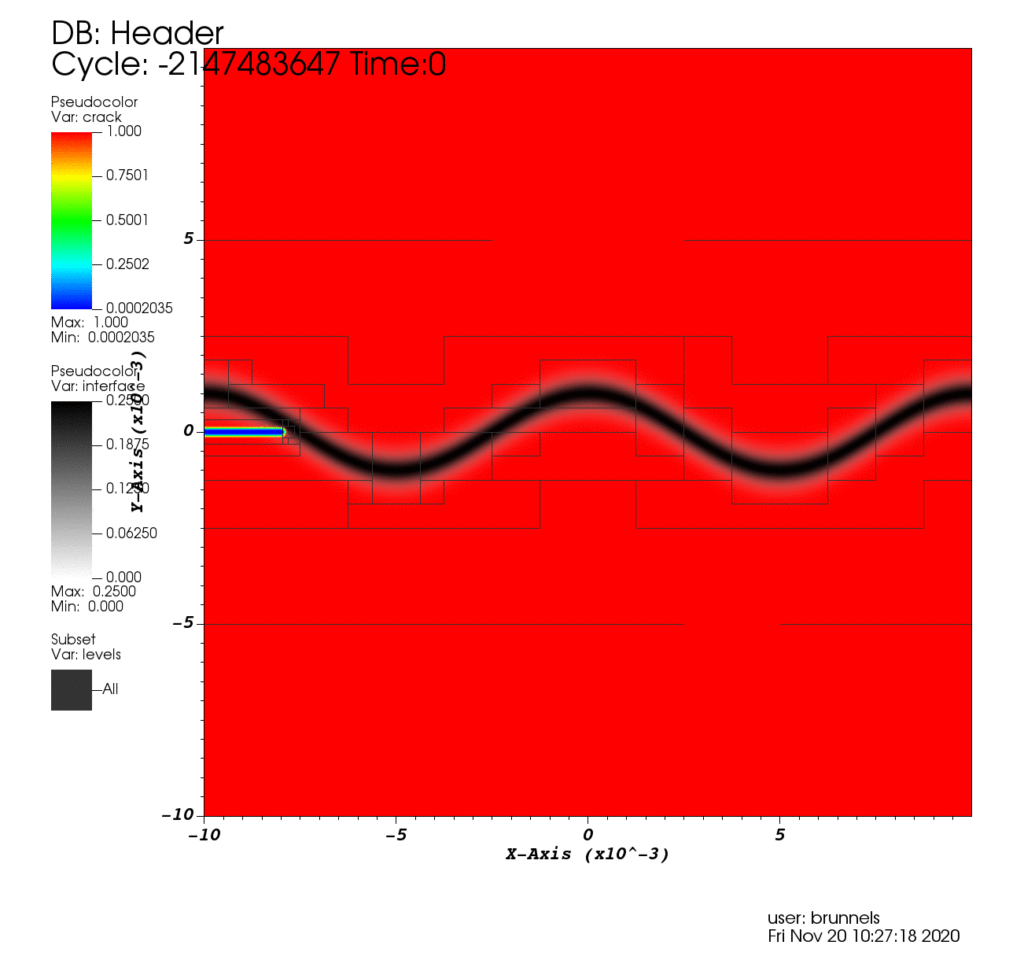
Structural materials
Predicting deformation, fracture, interfaces, and stability in materials and structures where failure mechanisms matter.
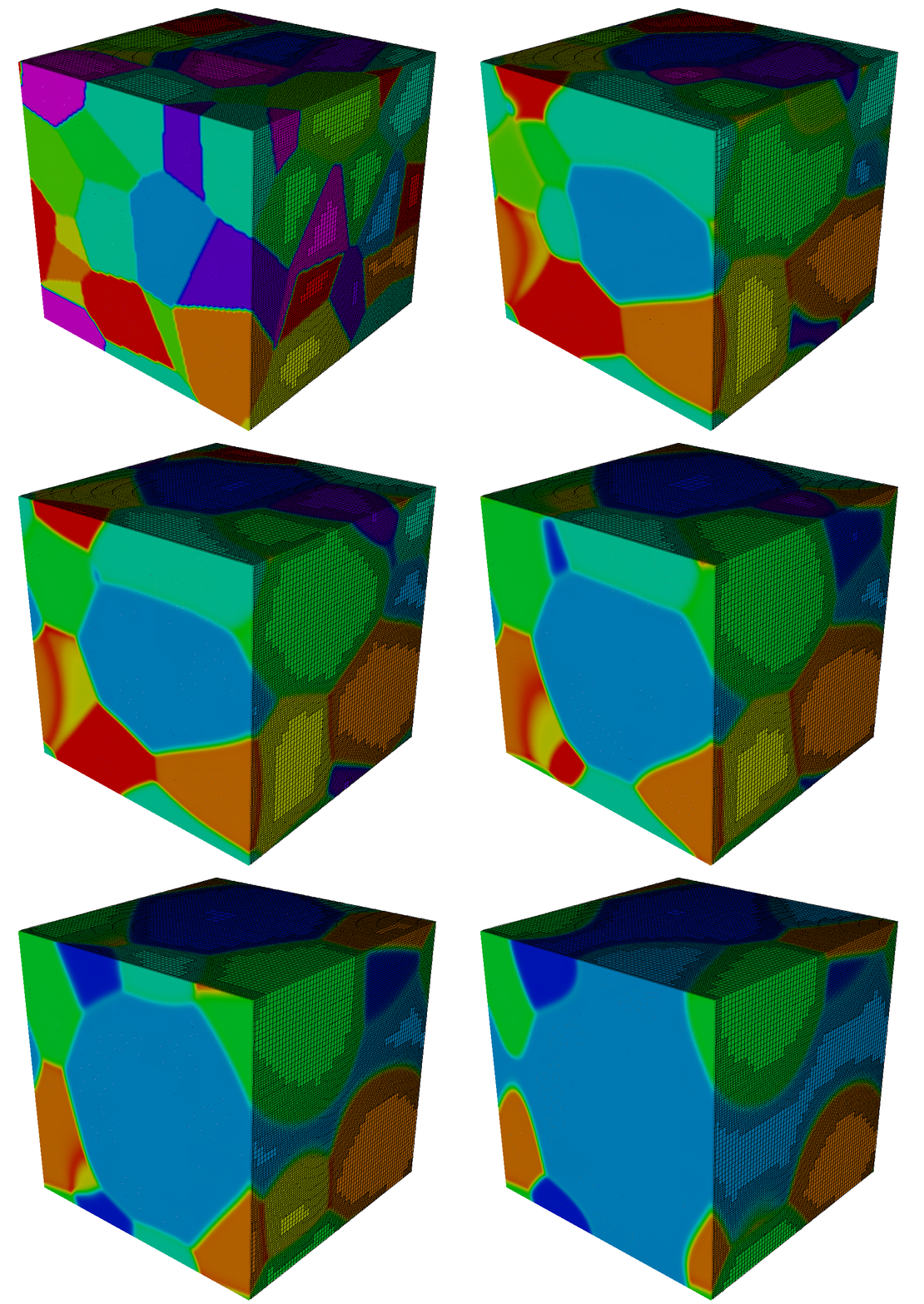
Computational physics
Developing numerical methods and high-performance simulation tools that connect physical models to reliable computation.
Who thrives here
This is a theory and computation group.
Students should expect to become fluent in graduate mechanics, mathematical analysis, materials modeling, Linux-based scientific computing, and programming in languages such as Python and C++.
The group is a good fit for students who like mathematics, derivations, computation, and application of these methods to challenging computational problems.
This is not a hands-on experimental group. We do not run laboratory experiments; our work is theoretical, computational, and simulation-driven.
A strong applicant is curious about:
- solid mechanics and material behavior
- numerical methods and scientific computing
- high-performance computing workflows
- publication-quality research
- building tools that other researchers can trust
PhD students
Graduate researchers
We welcome prospective PhD students finishing BS or MS degrees in engineering, physics, mathematics, computer science, materials science, or related fields. PhD students are typically supported through research or teaching appointments.
Start a conversationUndergraduates
Undergraduate researcher
Iowa State undergraduates interested in computational research should reach out with a short note about their background and interests. Students can also explore campus research funding opportunities.
Undergraduate researchPostdocs
Postdoctoral researcher
Postdoctoral openings depend on active funding and project fit. If a role is not advertised, availability is limited, but exceptional candidates may still send a concise research statement and CV.
Send materialsHow to start
Send a focused email.
Include your CV, unofficial transcript if available, and a short statement describing which research directions on this site interest you and why.